
The tech hiring landscape continues to evolve at a rapid pace. As companies adopt AI-driven recruitment tools, prioritize specialized skills, and compete for top talent globally, job seekers must adapt their CVs to remain competitive.
The tech hiring landscape continues to evolve at a rapid pace. As companies adopt AI-driven recruitment tools, prioritize specialized skills, and compete for top talent globally, job seekers must adapt their CVs to remain competitive.
The CV that landed interviews in 2024 or even 2025 may not perform as effectively in 2026.
Recruiters today spend only seconds scanning applications before deciding whether to continue reading. At the same time, Applicant Tracking Systems (ATS) are becoming increasingly sophisticated in evaluating candidates based on skills, achievements, and relevance to specific roles.
To maximize your chances of securing interviews in 2026, it's essential to understand the latest CV trends shaping the technology industry.
In this guide, we'll explore the most important tech CV trends and how you can apply them to stand out in a crowded market.
1. Skills-First CVs Continue to Rise
While work experience remains important, employers are increasingly focusing on demonstrated skills rather than years of experience alone.
This shift is particularly noticeable in:
Software Engineering
Data Science
Cybersecurity
DevOps
Cloud Engineering
AI and Machine Learning
Recruiters want quick evidence that candidates possess the technical capabilities required for the role.
What This Means for Your CV
Place a dedicated technical skills section near the top of your CV.
Example:
Technical Skills
Programming Languages:
Python, Java, TypeScript, Go
Cloud Platforms:
AWS, Azure, Google Cloud
DevOps:
Docker, Kubernetes, Terraform, Jenkins
Databases:
PostgreSQL, MongoDB, Redis
A well-structured skills section improves ATS performance and helps recruiters immediately assess your suitability.
2. AI and Automation Experience Becomes a Major Advantage
Artificial Intelligence is no longer limited to specialized AI roles.
Organizations across every industry are integrating AI into:
Software development
Customer support
Business operations
Marketing
Data analytics
Product management
Candidates who demonstrate practical AI experience are gaining a competitive edge.
Examples to Include
Instead of writing:
"Developed internal software tools."
Write:
"Developed AI-assisted workflow automation tools that reduced manual processing time by 40%."
Or:
"Integrated Large Language Models (LLMs) into customer support workflows, reducing response times by 35%."
Employers increasingly view AI literacy as a valuable skill regardless of job title.
3. Quantifiable Achievements Matter More Than Responsibilities
One of the biggest mistakes tech professionals still make is listing job duties instead of measurable accomplishments.
Recruiters want evidence of impact.
Weak Example
Managed cloud infrastructure.
Worked on application performance.
Strong Example
Reduced cloud infrastructure costs by 28% through resource optimization.
Improved application response times by 45%, supporting over 2 million monthly users.
Numbers immediately demonstrate value and differentiate candidates from competitors.
In 2026, achievement-focused CVs continue to outperform responsibility-based CVs.
4. ATS Optimization Is No Longer Optional
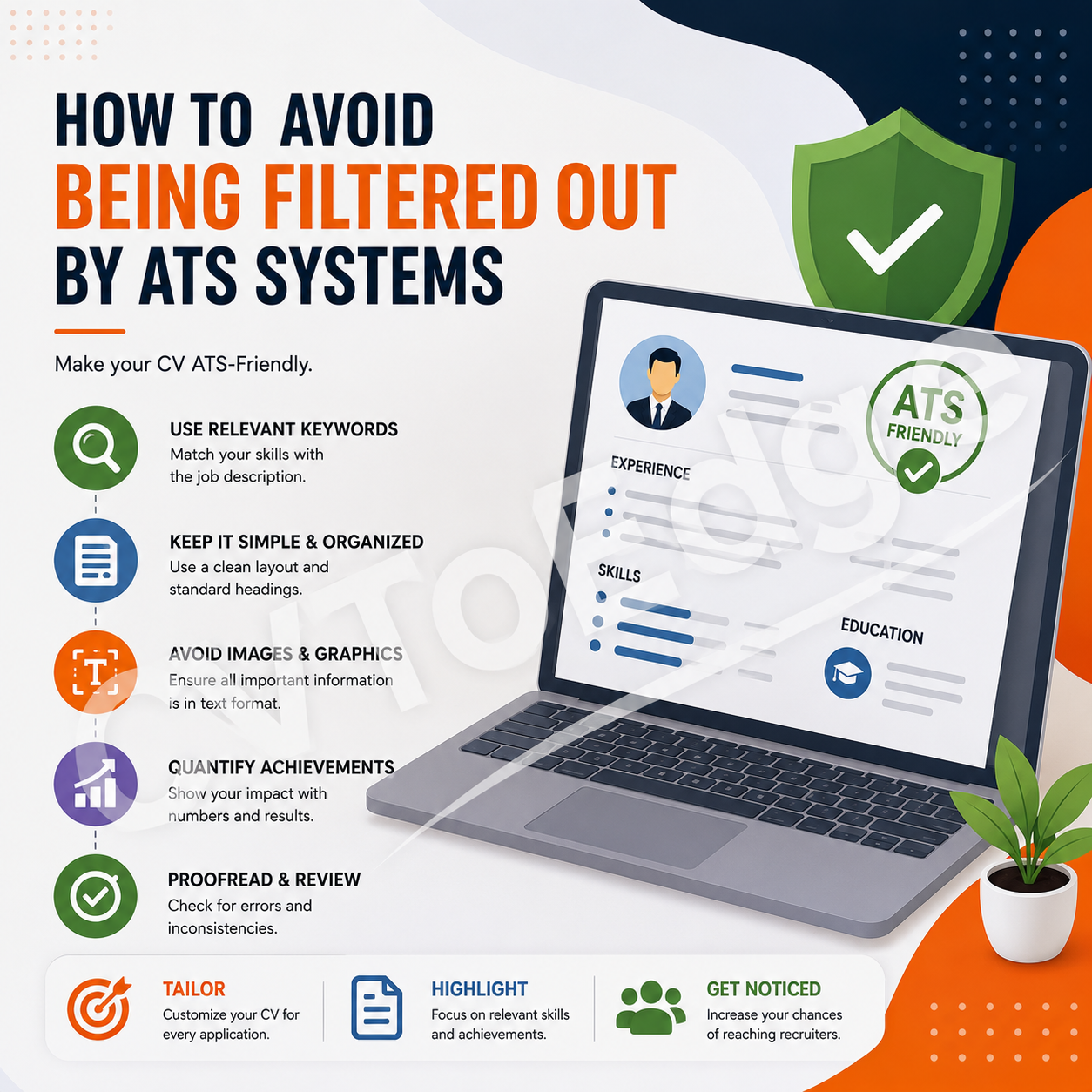
Most medium and large organizations rely on ATS software to screen applications before recruiters review them.
As ATS systems become more sophisticated, CV optimization becomes increasingly important.
Best Practices
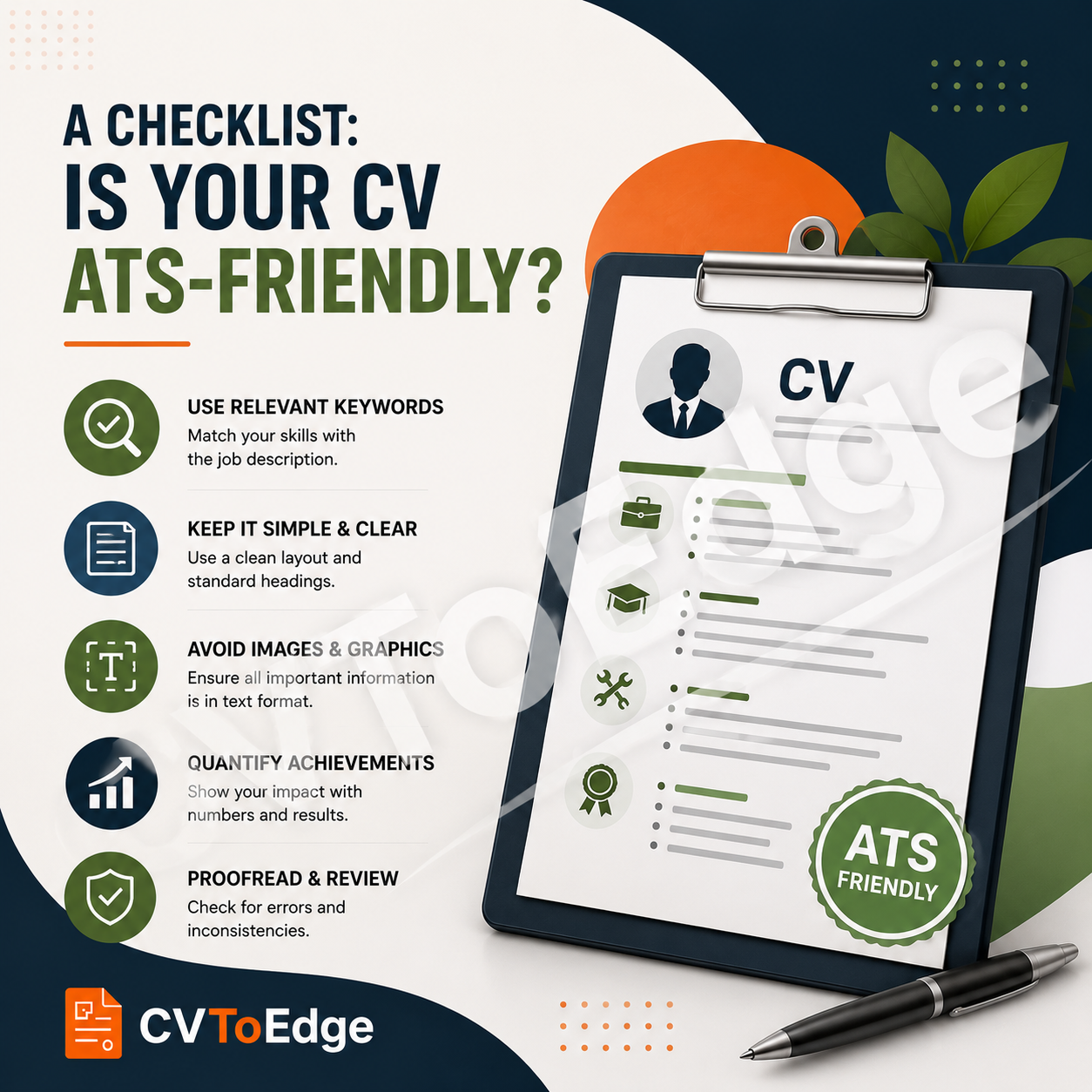
Use standard section headings
Maintain a single-column layout
Match keywords from the job description
Avoid graphics and text boxes
Use ATS-friendly fonts
Include relevant technical terminology
Candidates who ignore ATS requirements risk being filtered out before reaching hiring managers.
5. Project Portfolios Receive Greater Attention
Hiring managers increasingly want proof of practical expertise.
This trend is particularly strong for:
Software Developers
Data Scientists
Machine Learning Engineers
DevOps Engineers
UX/UI Designers
Product Managers
What to Include
Link to:
GitHub repositories
Technical blogs
Portfolio websites
Open-source contributions
Published research
Case studies
Example:
GitHub: github.com/johndoe
Portfolio: johndoe.dev
Candidates who showcase real-world projects often gain an advantage over applicants with similar work histories.
6. Remote Work Experience Remains Valuable
Although some organizations have returned to office-based work, remote and hybrid roles continue to dominate many technology sectors.
Employers increasingly value candidates who have successfully worked in distributed environments.
Highlight Experience Such As
Remote collaboration
Cross-functional teamwork
International projects
Asynchronous communication
Global stakeholder management
These skills demonstrate adaptability and workplace maturity.
7. Cloud Expertise Continues to Dominate Hiring
Cloud computing remains one of the most in-demand skill areas in technology.
Organizations continue migrating infrastructure and services to cloud environments, increasing demand for professionals experienced with:
AWS
Microsoft Azure
Google Cloud Platform
Recommended Certifications
AWS Certified Solutions Architect
AWS Certified Developer
Microsoft Azure Administrator
Google Professional Cloud Architect
Candidates with verified cloud expertise often command higher salaries and attract greater recruiter interest.
8. Cybersecurity Skills Become More Valuable Across All Roles
Cybersecurity is no longer solely the responsibility of dedicated security teams.
Organizations increasingly expect engineers, developers, and infrastructure professionals to understand security principles.
Valuable Skills Include
Secure coding practices
Identity and access management
Vulnerability management
Security testing
Compliance frameworks
Cloud security
Even basic cybersecurity knowledge can strengthen a candidate's profile.
9. Certifications Gain More Weight
As technology evolves rapidly, certifications provide employers with evidence of current knowledge.
Recruiters increasingly use certifications to validate technical expertise.
Popular certifications in 2026 include:
Cloud
AWS Certified Solutions Architect
Microsoft Azure Administrator
Google Cloud Professional Architect
Cybersecurity
CISSP
Security+
Certified Ethical Hacker (CEH)
Data and AI
Microsoft Azure AI Engineer
TensorFlow Developer Certificate
Databricks Certifications
Project Management
PMP
Scrum Master Certifications
SAFe Certifications
Relevant certifications can significantly improve both ATS rankings and recruiter confidence.
10. Personal Branding Is Becoming a Differentiator
Tech recruiters increasingly evaluate candidates beyond their CVs.
Your professional presence now extends across multiple platforms.
Important Assets
LinkedIn profile
GitHub account
Personal website
Technical blog
Open-source contributions
Industry speaking engagements
Candidates who actively share expertise often build stronger credibility and visibility.
Example
Rather than simply stating "Python Developer," a candidate who publishes technical articles, contributes to open-source projects, and maintains a portfolio demonstrates deeper engagement with the field.
11. Concise CVs Outperform Overly Long Documents
Many candidates still believe adding more information creates a stronger CV.
In reality, recruiters prefer concise, focused documents.
Recommended Length
Early Career: 1 page
Mid-Level Professionals: 2 pages
Senior Professionals: 2–3 pages
Every section should contribute directly to your target role.
Remove outdated technologies, irrelevant experience, and redundant content.
12. Customized CVs Become the New Standard
Generic CVs are becoming increasingly ineffective.
Modern ATS systems and recruiters reward relevance.
Successful candidates customize their CVs for each application by:
Matching keywords from the job description
Highlighting relevant projects
Prioritizing applicable skills
Tailoring professional summaries
A targeted CV consistently performs better than a one-size-fits-all document.
What the Ideal Tech CV Looks Like in 2026
The strongest technology CVs in 2026 share several characteristics:
✓ ATS-friendly structure
✓ Skills-first presentation
✓ Achievement-focused content
✓ AI and automation experience
✓ Quantifiable business impact
✓ Relevant certifications
✓ Portfolio links
✓ Tailored keywords
✓ Clear, concise formatting
Rather than focusing on creative designs, successful candidates prioritize clarity, relevance, and measurable value.
Final Thoughts
Technology hiring in 2026 is becoming increasingly data-driven, skills-focused, and AI-assisted.
Recruiters are looking beyond job titles and years of experience. They want evidence of impact, technical capability, adaptability, and continuous learning.
Candidates who optimize their CVs around achievements, relevant skills, AI expertise, cloud knowledge, and ATS best practices will place themselves in a significantly stronger position than those relying on outdated formats and generic applications.
The future belongs to candidates who can clearly demonstrate not just what they've done, but the measurable value they've delivered.
If you're unsure whether your CV aligns with current industry expectations, CVToEdge can analyze your CV, evaluate ATS compatibility, identify missing keywords, and provide actionable recommendations to help you stay competitive in the evolving tech job market. Register & Subscribe today.